Clean energy, a stronger Spain
The «Green Spain» concept
The world is changing. The planet's resources are being depleted at a pace that forces us to rethink the way we produce. Thanks to its climate and geography, Spain stands in a privileged position to lead the transition toward new energy sources. This is a long-term development process aimed at protecting nature for the next generations.
Global warming and carbon footprint
Average temperatures across the Iberian peninsula have risen steadily over the last decades. Summers are longer, droughts more frequent, and Mediterranean ecosystems are under unprecedented pressure. Against this backdrop, reducing our carbon footprint has become a shared public priority among institutions, civic organisations and research centres.
The 2030 targets call for a significant reduction in emissions, a higher share of renewables in the energy mix and improved consumption efficiency. It is a work of collective protection where education and outreach play a central role.

Spain's role in green energy
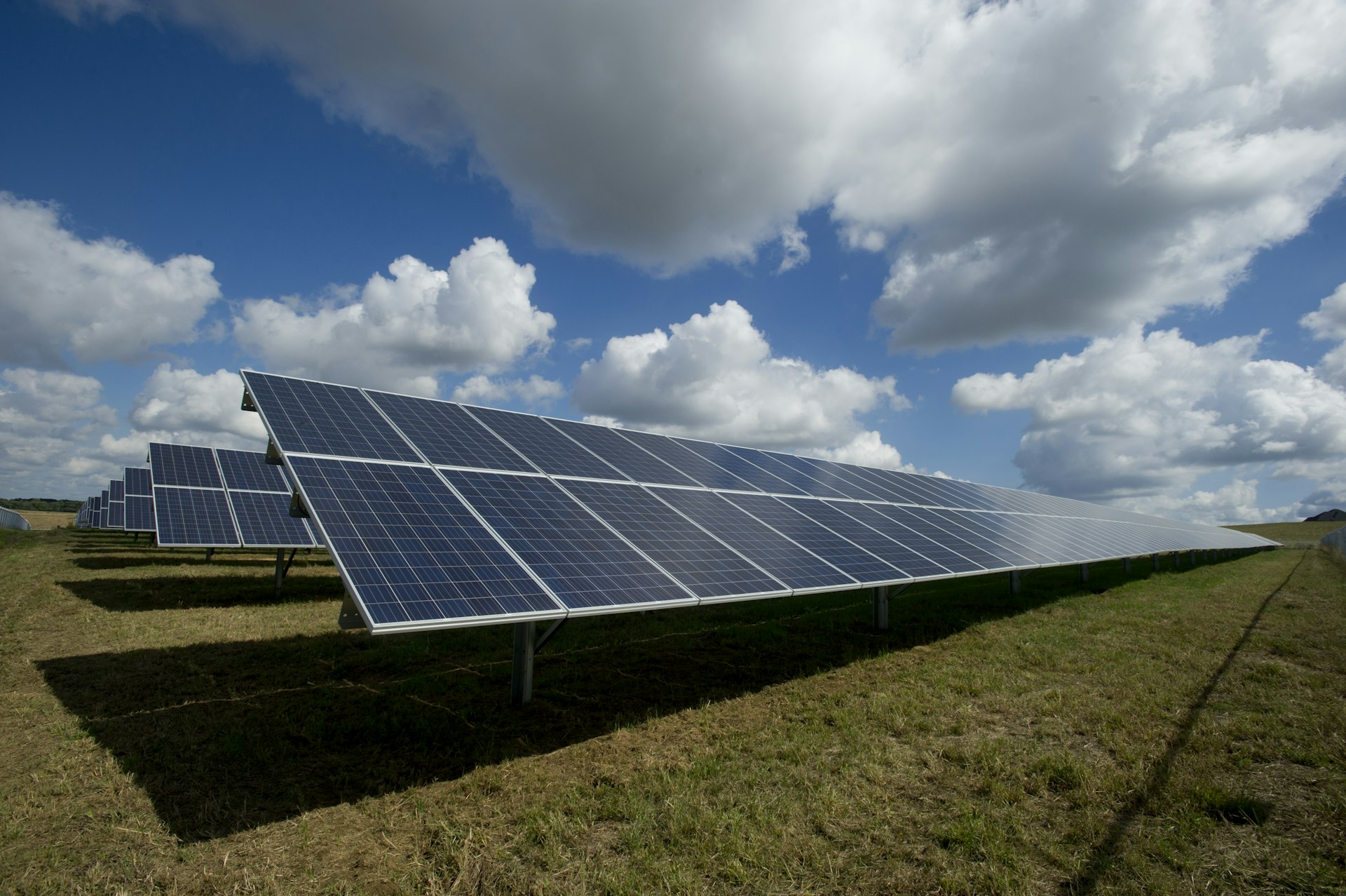
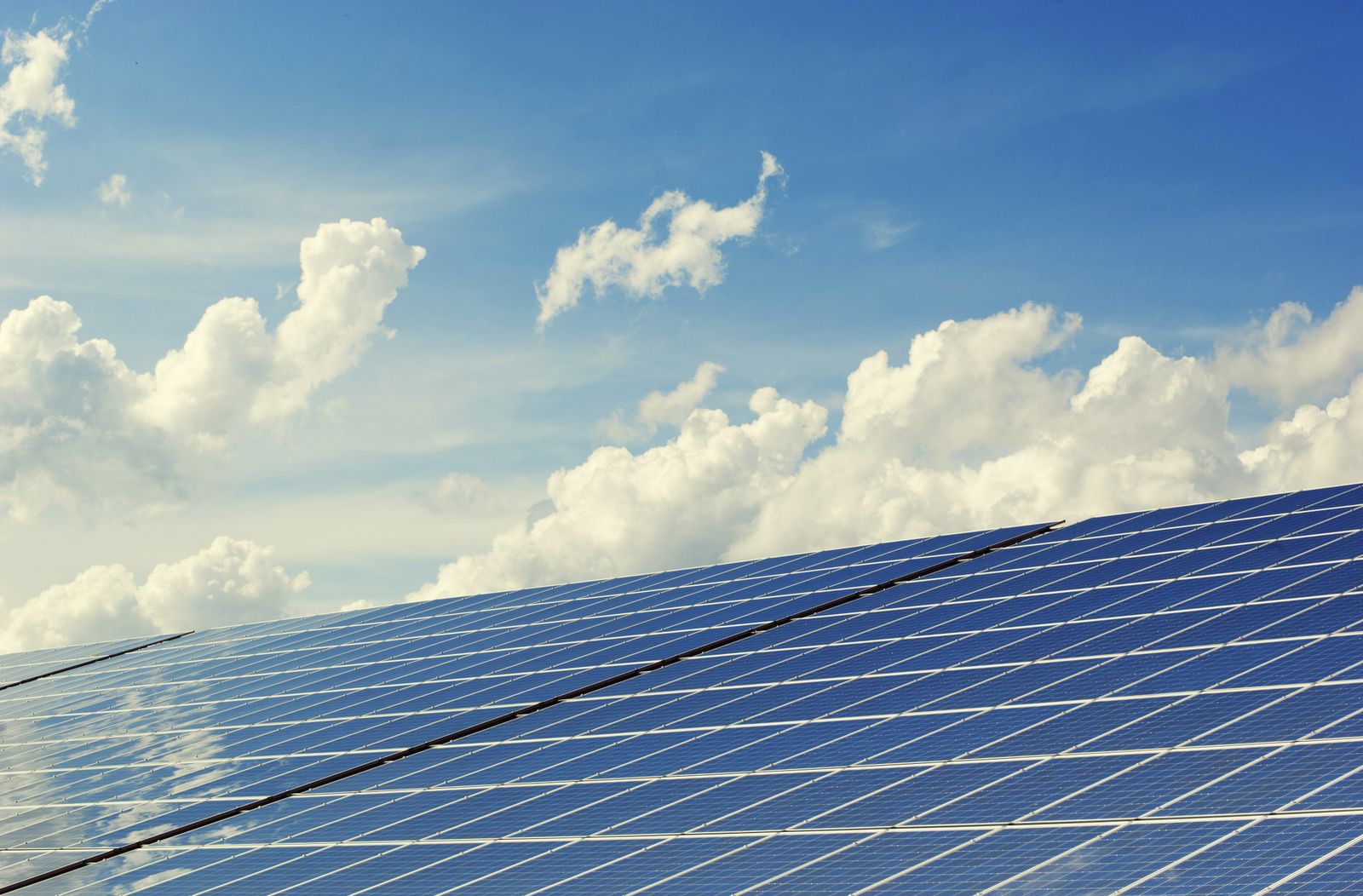
Spanish territory enjoys more than 2,500 hours of sunshine per year across most of its geography. The plains of Castile, Andalusia and Extremadura allow large-scale photovoltaic installations, while the coasts of Galicia, Tarifa and the south offer favourable conditions for wind power. Spanish energy companies and local cooperatives are developing projects that combine clean generation with the conservation of the surrounding environment.
The future depends on integrating renewable generation with smart grids, sustainable storage and self-consumption. The protection of landscape and biodiversity must accompany every step of industrial development.
The future of agriculture
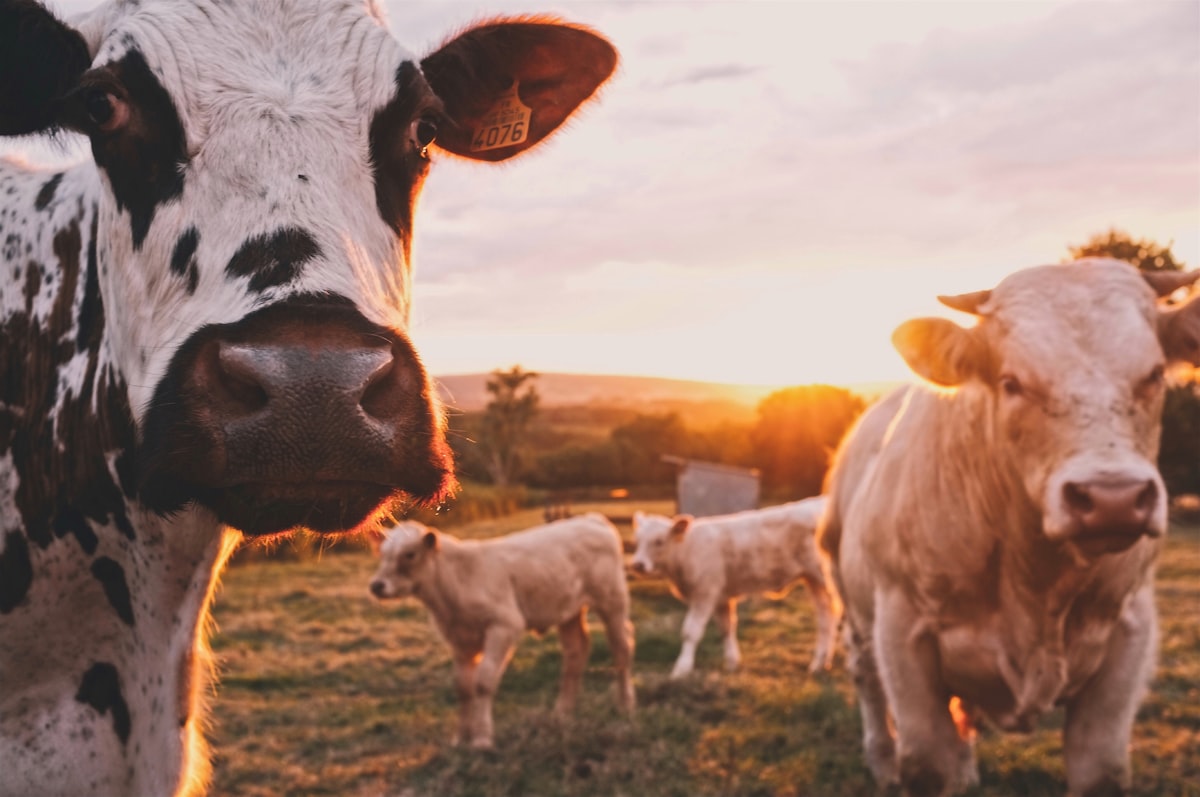
So-called Agriculture 5.0 combines ancestral knowledge with sensors, open data and efficient irrigation techniques. In Spain, regions such as La Rioja, Murcia and Valencia are testing models that reduce water consumption, restore soils and protect pollinators. Crop rotation, regenerative agriculture and ecological corridors are part of a long-term vision.
This development is not meant to replace the traditional farmer, but to support them. The protection of rural areas, the conservation of the agrarian landscape and the transmission of knowledge between generations are key pillars of the Green Spain project.
Every daily decision counts. The protection of our surroundings and the development of a circular economy depend on an informed citizenship. That is why this educational platform is regularly updated with articles, reports and learning materials produced with rigour.